Vodice · Jezera · Dalmatia

OPG Birin Vukušić

Home-made Extra Virgin Olive Oil.
Taste Dalmatia.

Our olive oil isn't made so we can sell it. It's made because our family wants to have it on our own table. Only what remains after our own needs do we offer to those who, like us, want to enjoy top-quality oil and the authentic aroma and taste of Dalmatia.

Our story

Generations of one family

Our story with olives goes back generations, to a time when the land fed the family, and whatever it produced was meant for selling, sharing and trading goods.

The land that fed the family

According to our father's story, our great-grandfather and grandfather lived solely off the land — it fed the family. Alongside olives, they also grew grapevines, cherries, figs and almonds.

Cherries were sold to buyers, grapes were made into wine, figs were dried, and they also produced brandy (rakija) and olive oil.

Wine, brandy, oil and dried figs were sold, but also traded — at a time when the land was a source of food, work, trade and mutual exchange.
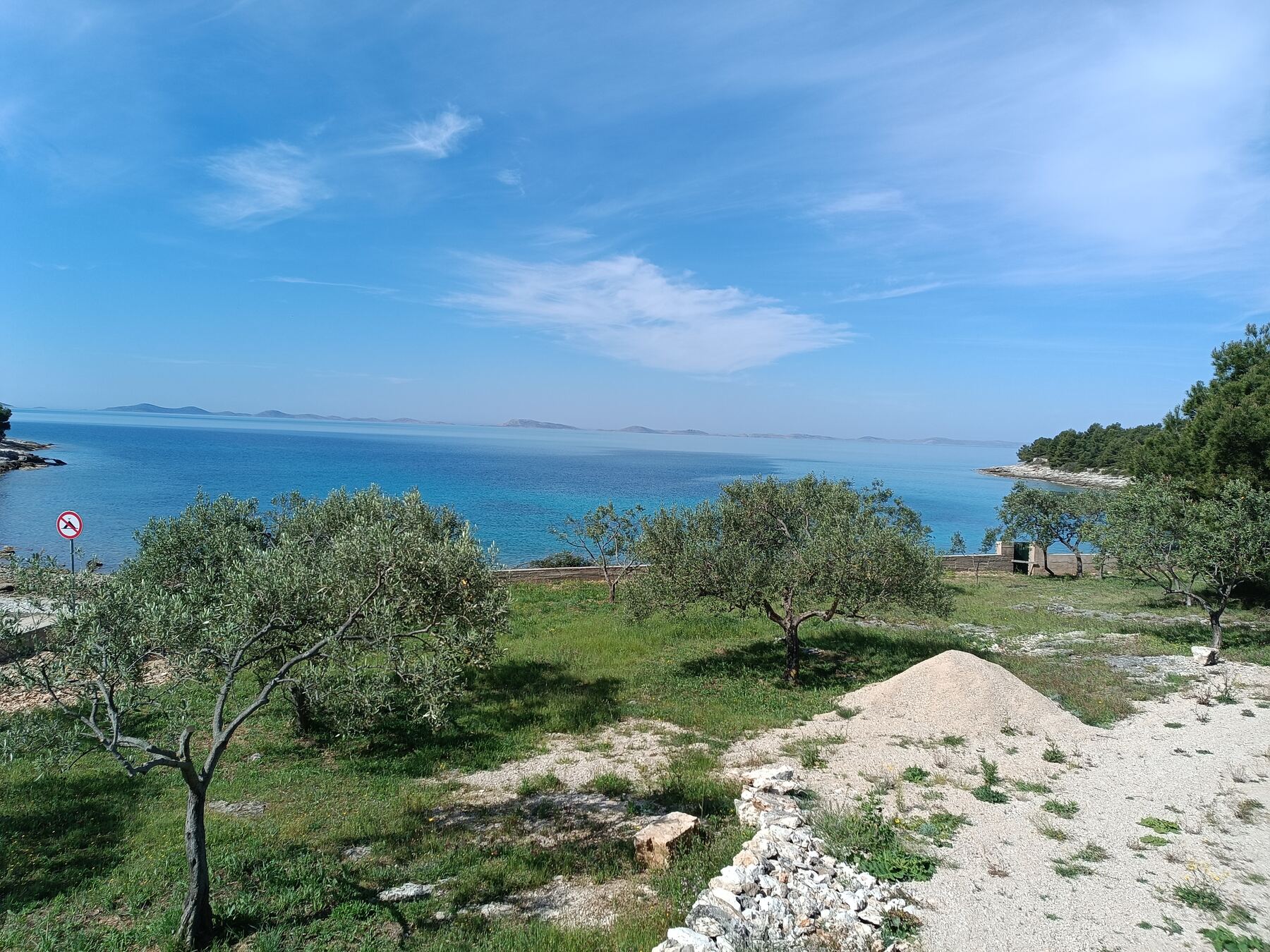
Olive grove in Jezera overlooking the Kornati islands
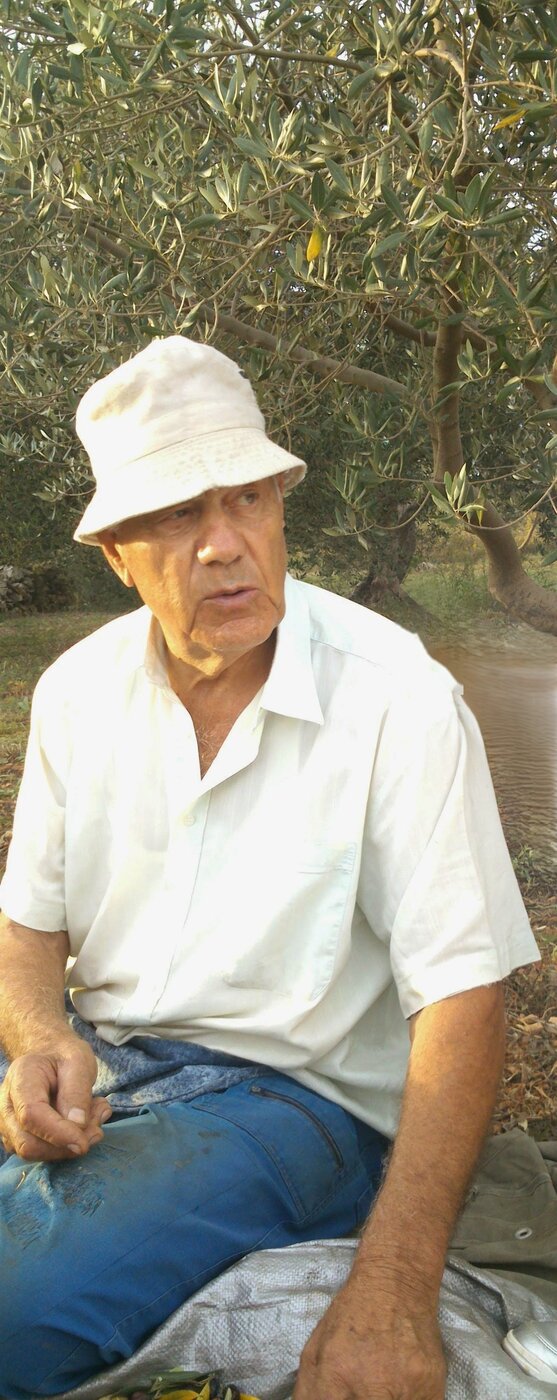
Our father in the olive grove
Our father

Born in 1939.

When he took over care of the olive groves after our grandfather's death, he continued tending the family's olives and approached it very seriously. Although he grew up around the land and olives, he believed experience alone wasn't enough — he kept learning, educating himself and improving.

"He believed the olive tree can always give its best, you just need to know how to give it what it needs."

The olive grove in Jezera

The olive grove in Jezera was our father's special love. It sits right by the sea, overlooking the Kornati islands. He planted some of the trees himself, while other, older trees were restored and continued to be tended.

"As a child I took part in planting those olive trees. For the first few years, during the summer months, after swimming I would go with my father to water the young trees, until they were strong enough to withstand the summer thirst on their own."
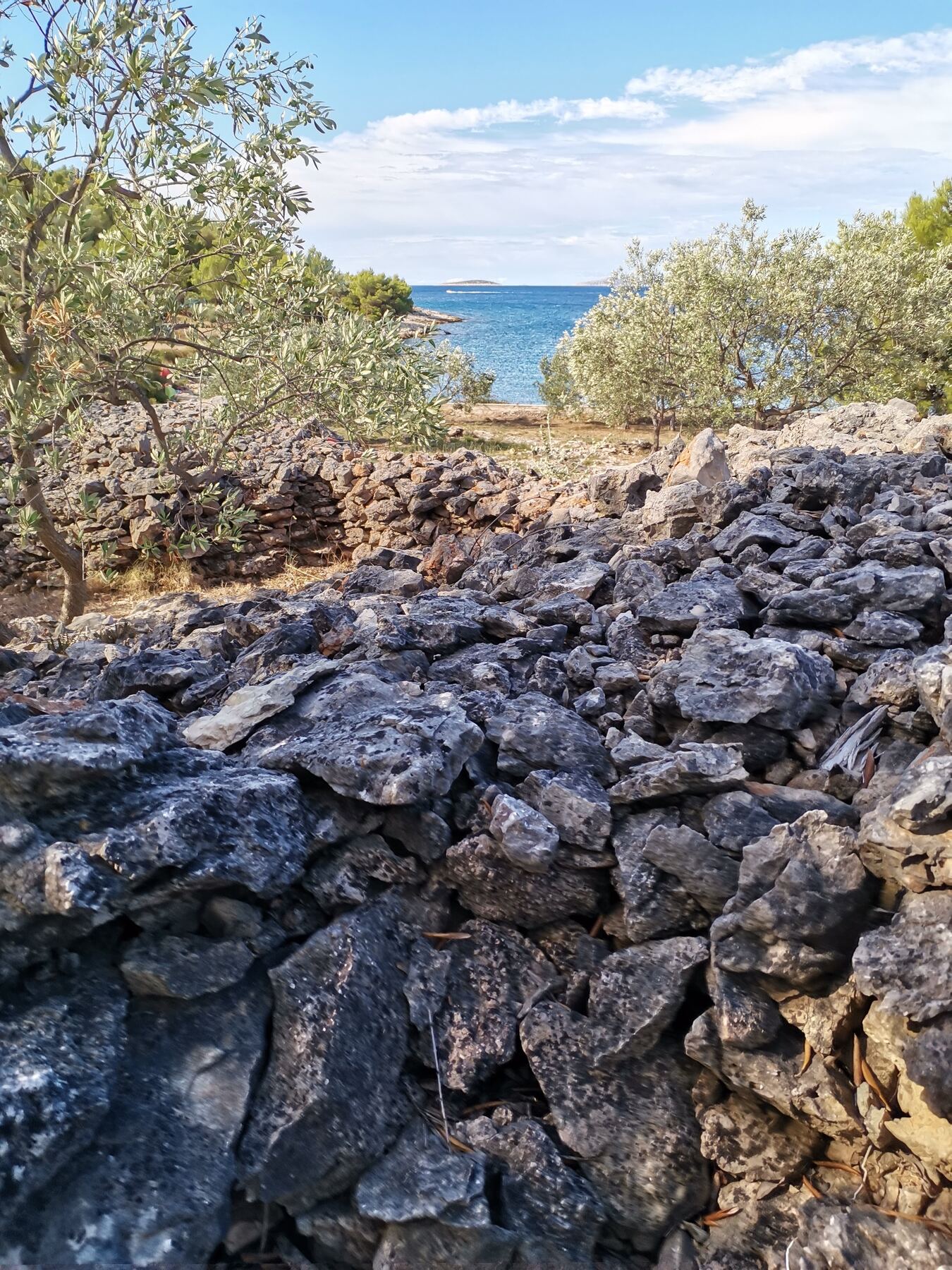
Stone boundary wall in the Jezera olive grove overlooking the sea
Our olives

Small, family olive groves

~150
olive trees

We're not a big producer. And we don't want to be.

Jezera

One larger grove, right by the sea, overlooking the Kornati islands.

Vodice

Two smaller groves, a family inheritance.

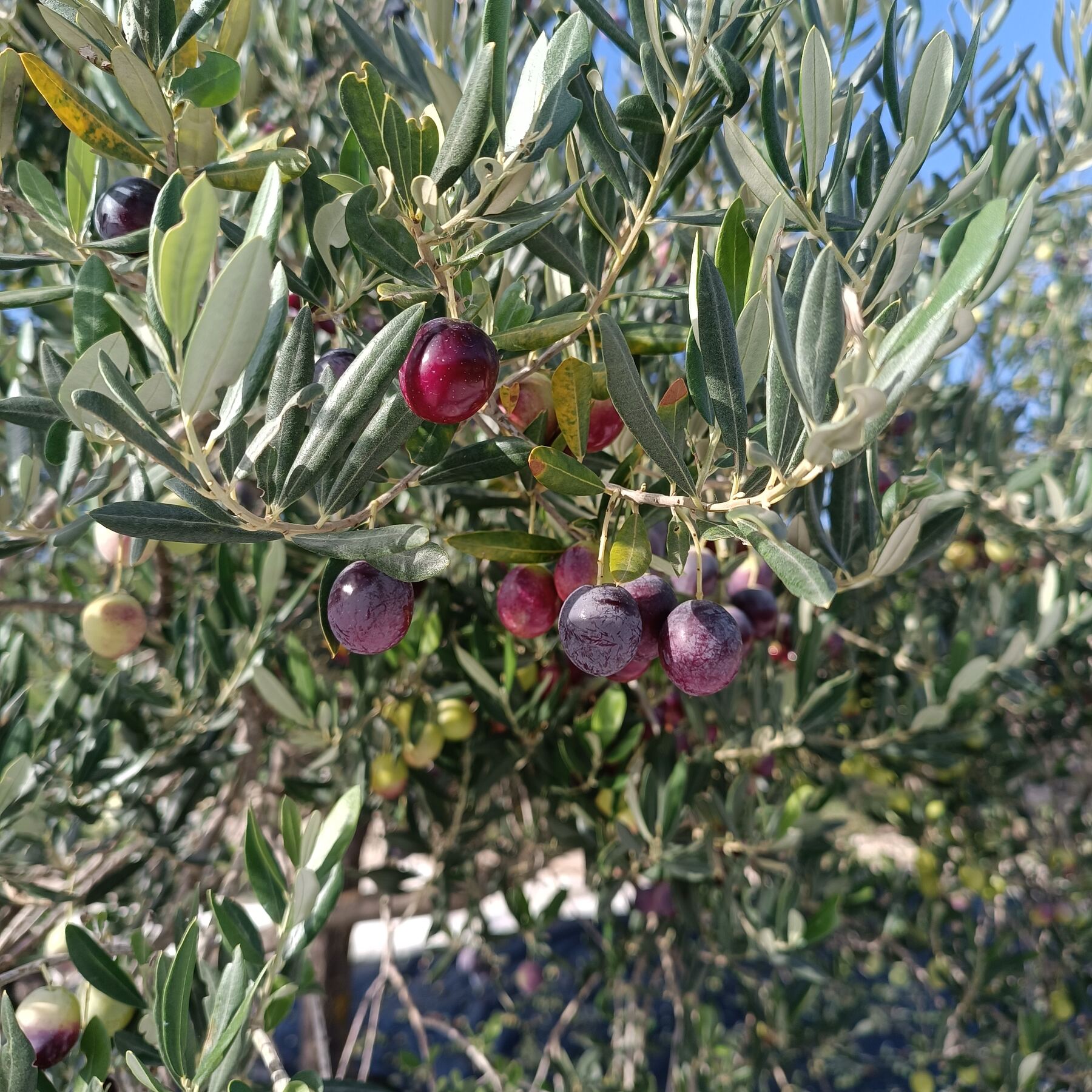
Native varieties

  • Oblica
  • Levantinka
  • Lastovka

Italian varieties

  • Leccino
  • Pendolino
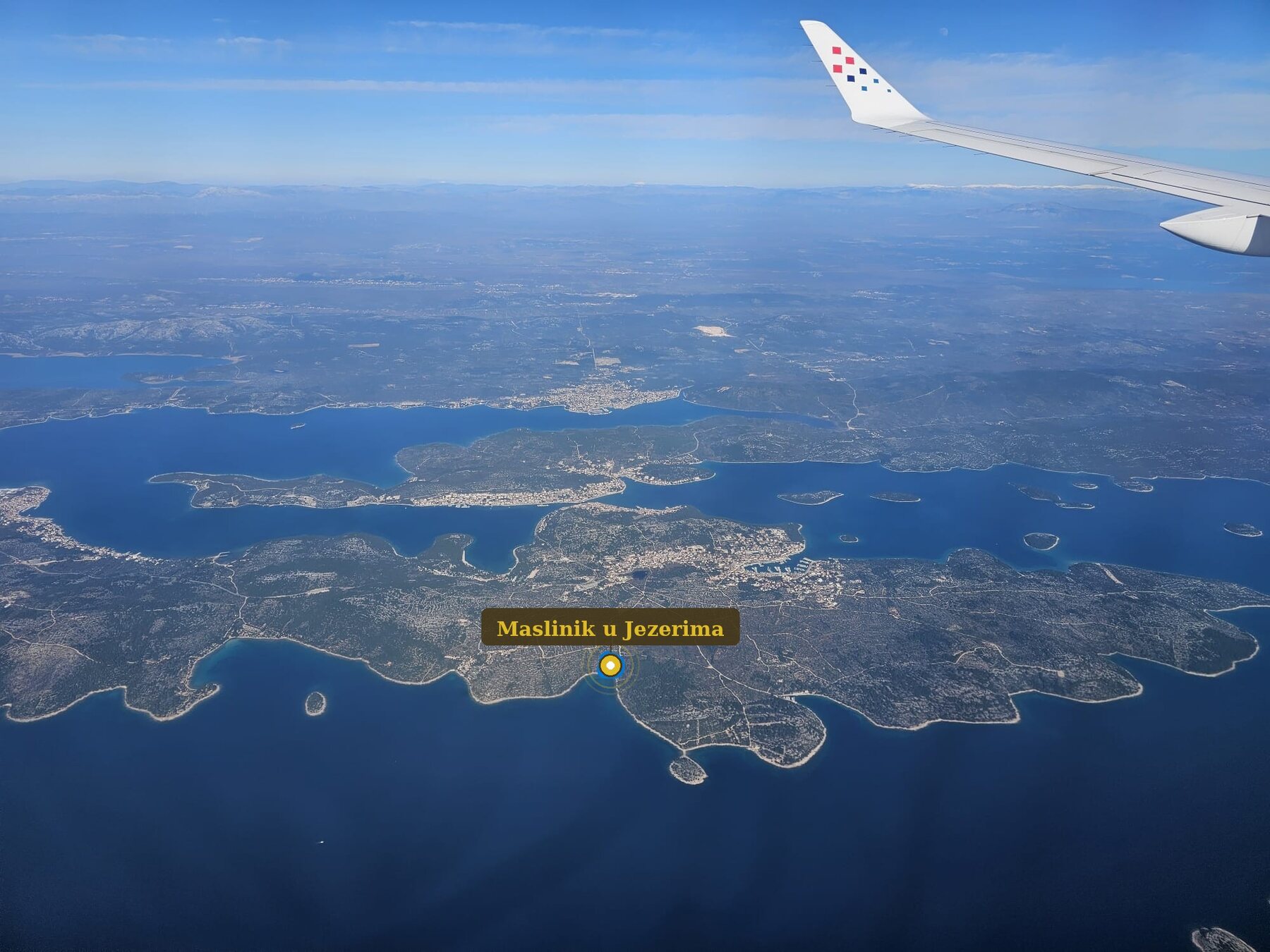
Aerial view of Jezera, where our olive grove sits by the sea

Aerial view — our olive grove in Jezera, right on the coast.

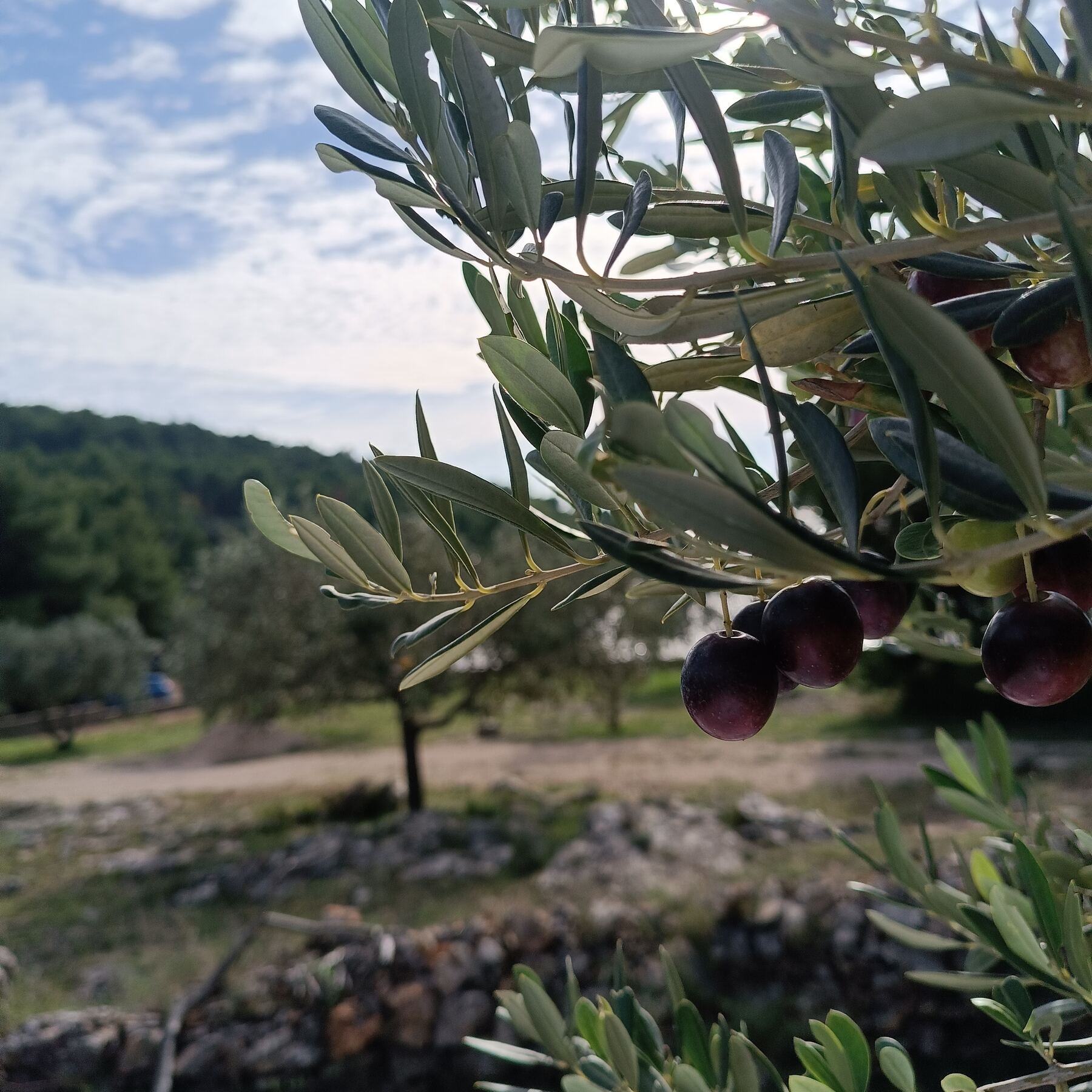
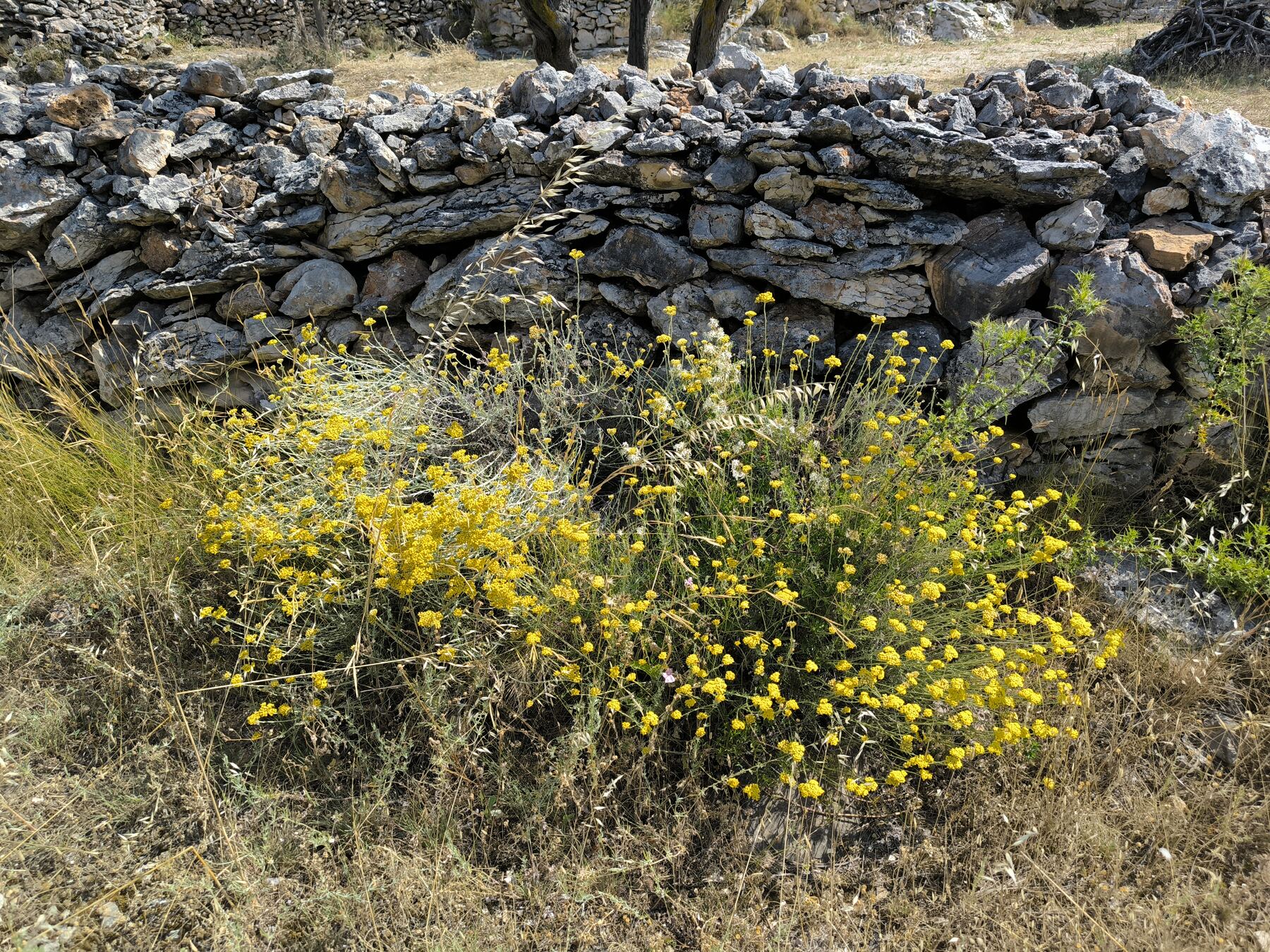
Olive grove in Jezera Olive branch overlooking the sea Olive grove by the stone wall, summer
Our work

We tend our olives ourselves

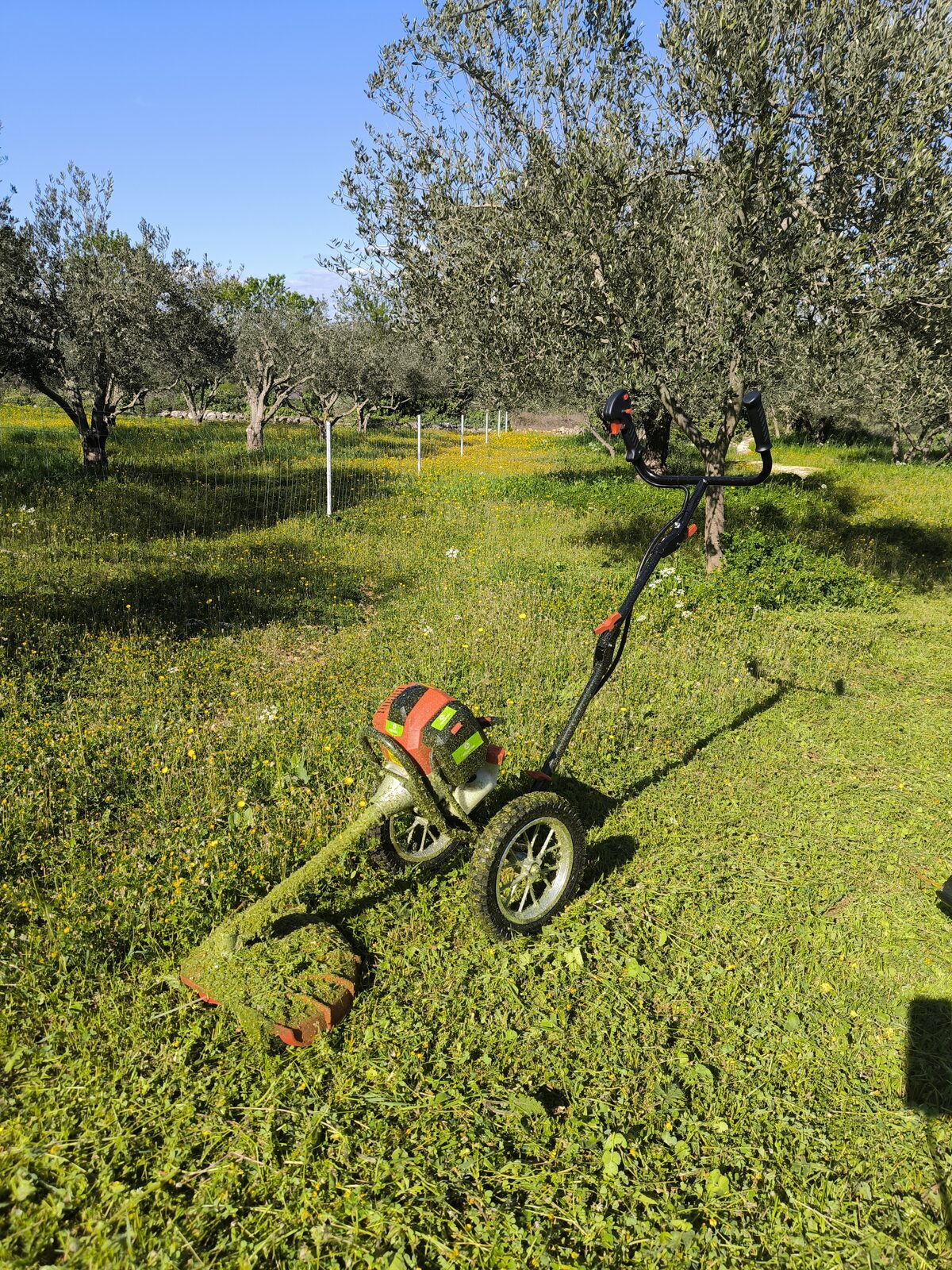
Mowing the flowering meadow in the olive grove

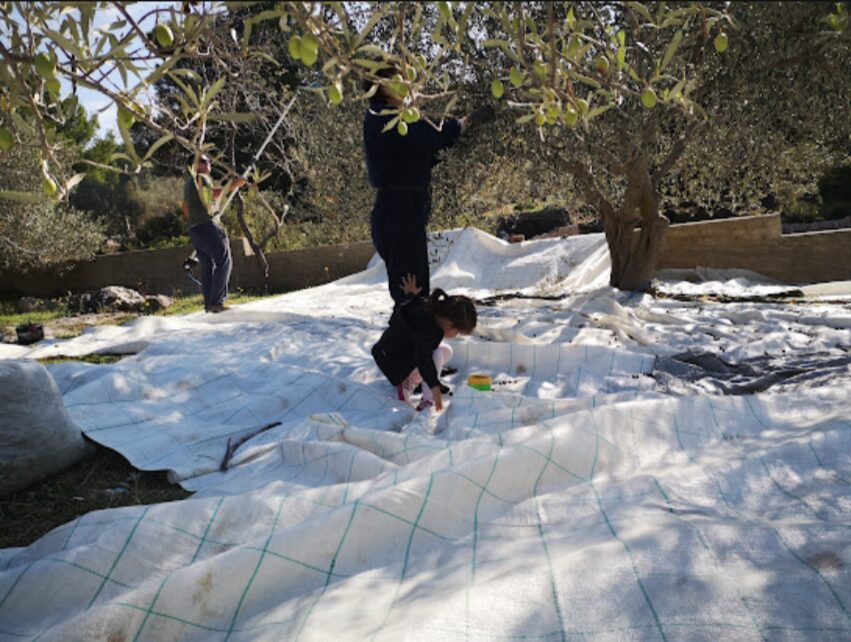
Work in the olive groves is shared by the whole family. Everyone has their role, and the work is done carefully and without rushing.

Pruning

Our mother is especially involved in pruning and is currently our main person for pruning the olive trees.

Tending and processing

My husband and I take part in the regular tending and maintenance of the olives, as well as in processing them into oil.

Harvest

Relatives and friends help us with the harvest — a real family and community effort.

Harvest

From tree to mill, the same day

In recent years the harvest has started earlier. It used to traditionally be tied to later autumn, but climate change and modern processing methods have led to an earlier start — today we most often begin around mid-October, depending on the year and the condition of the olives.

Step

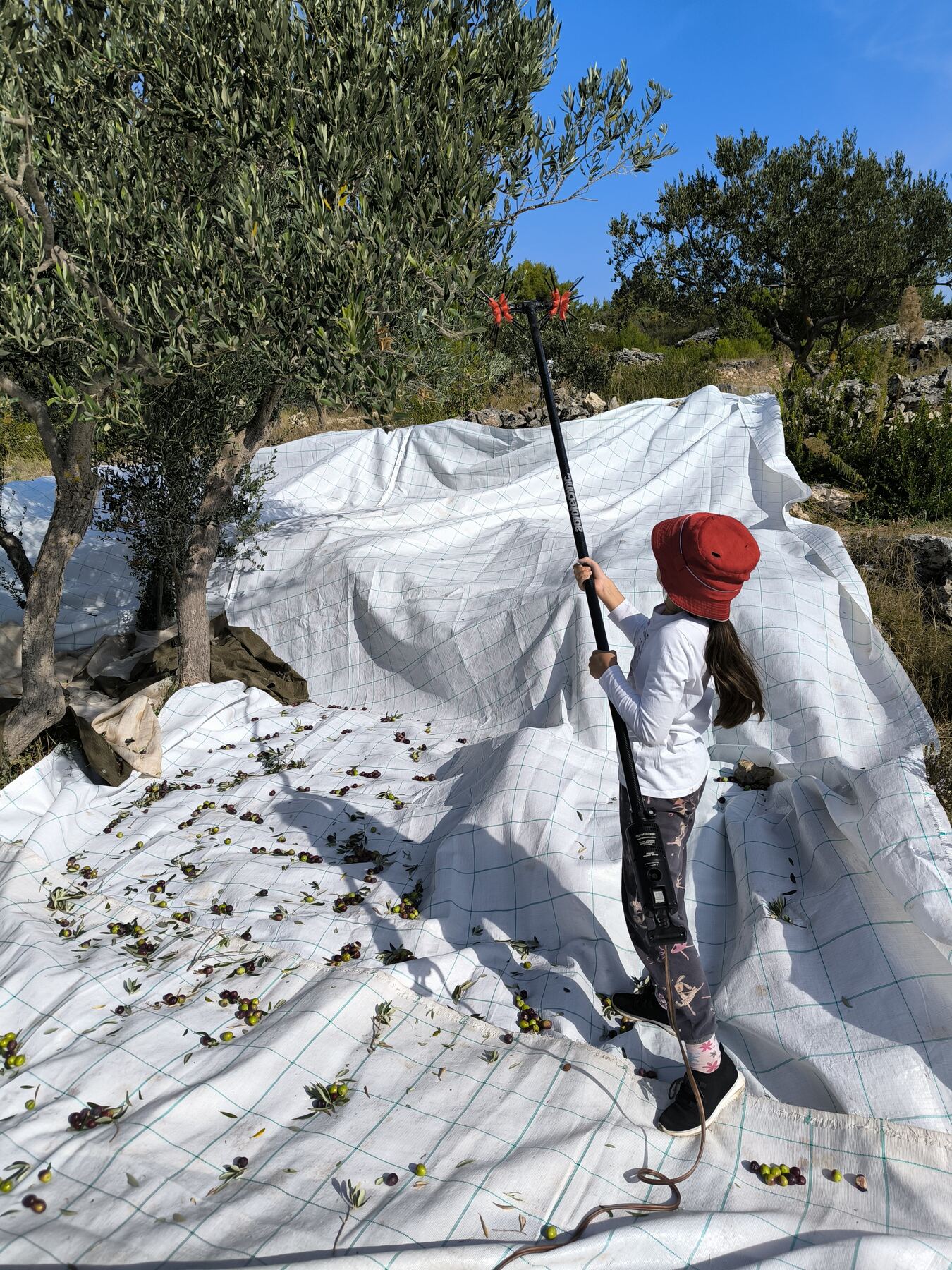
Laying nets under the tree

Step

Electric shakers and mechanical harvesters

Step

Gathering olives from the nets

Step

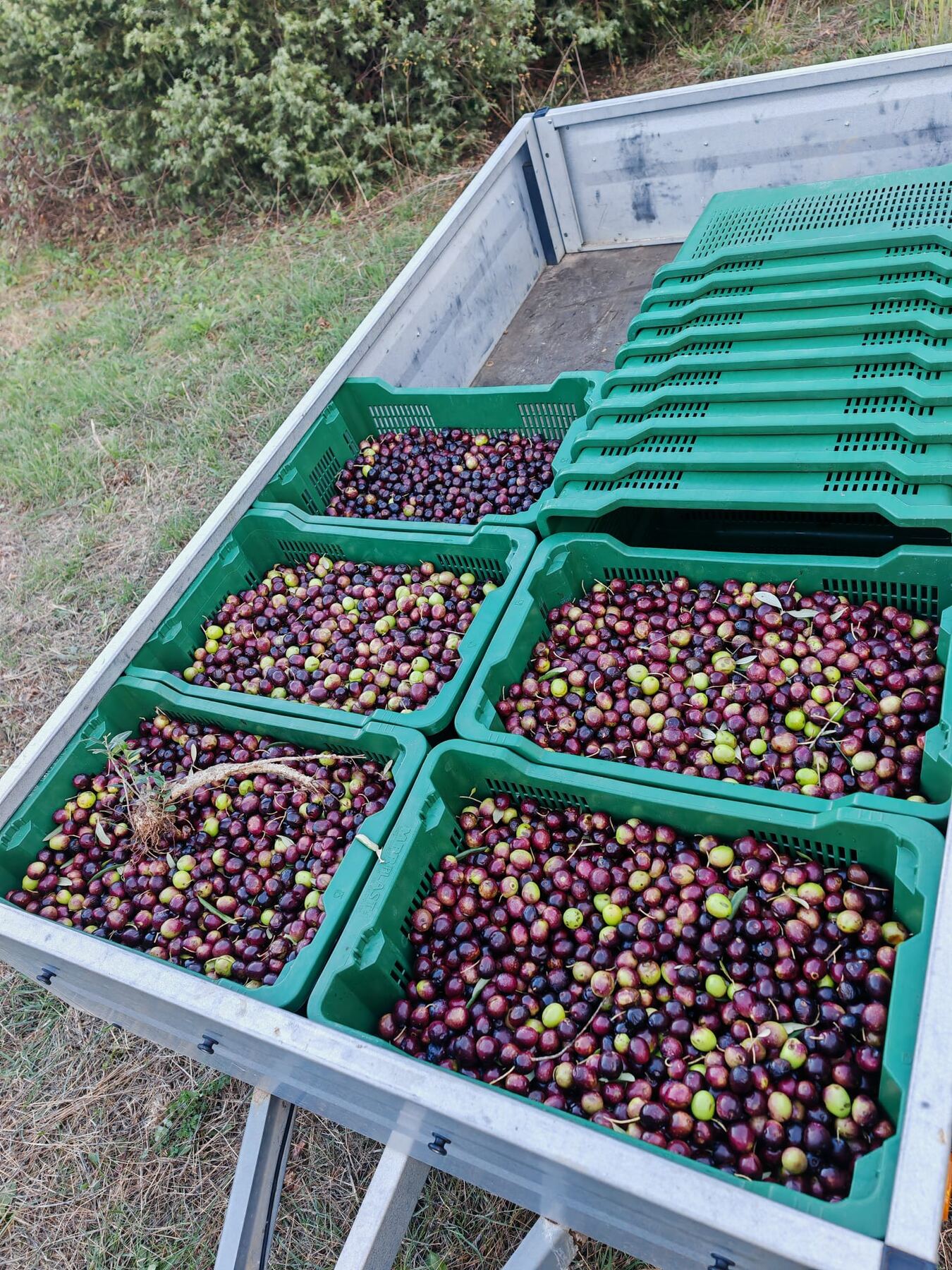
Placing them into crates

Step

Immediate transport to the mill

Then and now

From the old way of harvesting to today's approach

In the past, after picking, olives used to be kept in the sea until the whole harvest was finished, and only then taken for processing. That was a consequence of the conditions at the time: there was no way to store larger quantities, it wasn't possible to pick as many olives in one day as we can today, and the oil mills didn't have the capabilities they have now.

With modernization the way of harvesting changed, and with it the way of processing. Today our goal is to process the olives as soon as possible after picking, ideally the same day — olives that sit longer after picking give an oil with a different aroma and taste than one made from freshly picked olives.

We keep the tradition, but we don't do something just because that's how it used to be done.

Processing

Uljara Sv. Ivan, Vodice

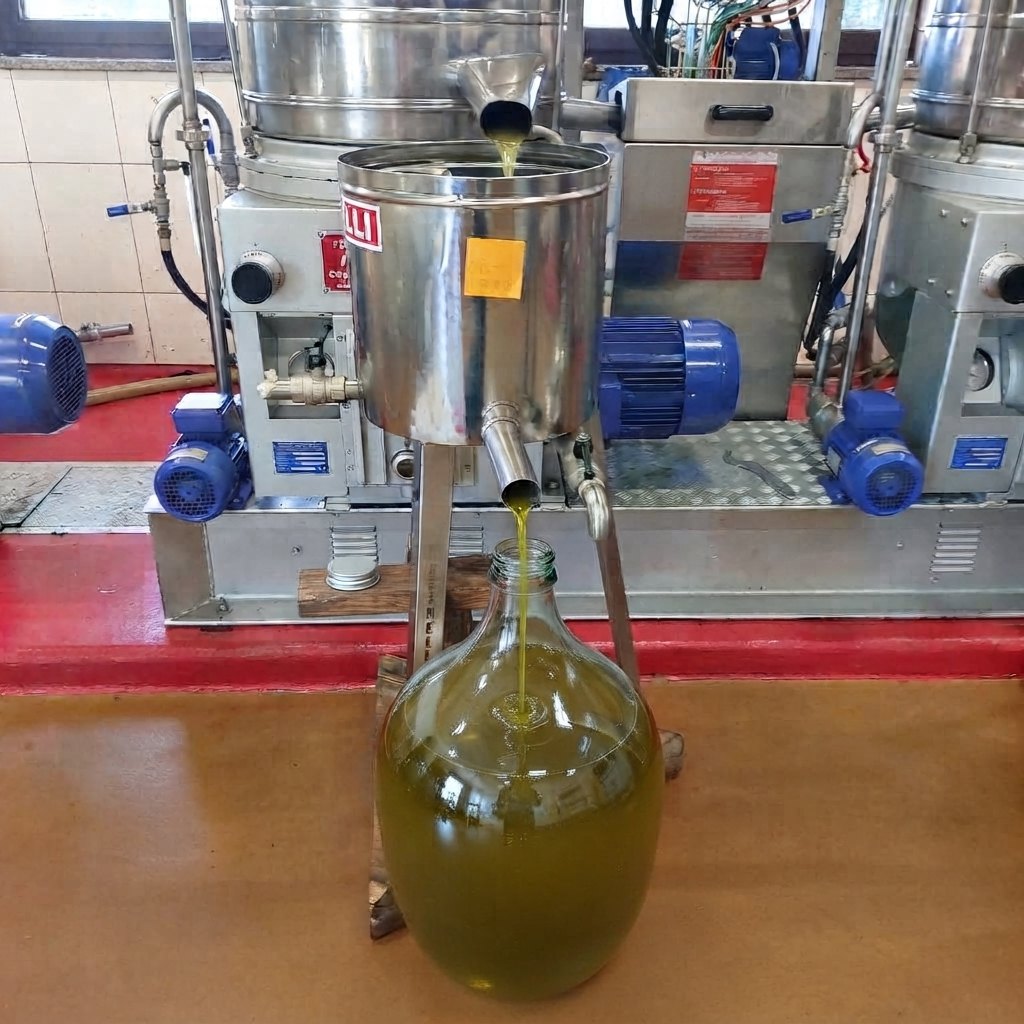
The olives are processed the same day they are picked, by cold extraction — centrifugation at a temperature below 27 °C.

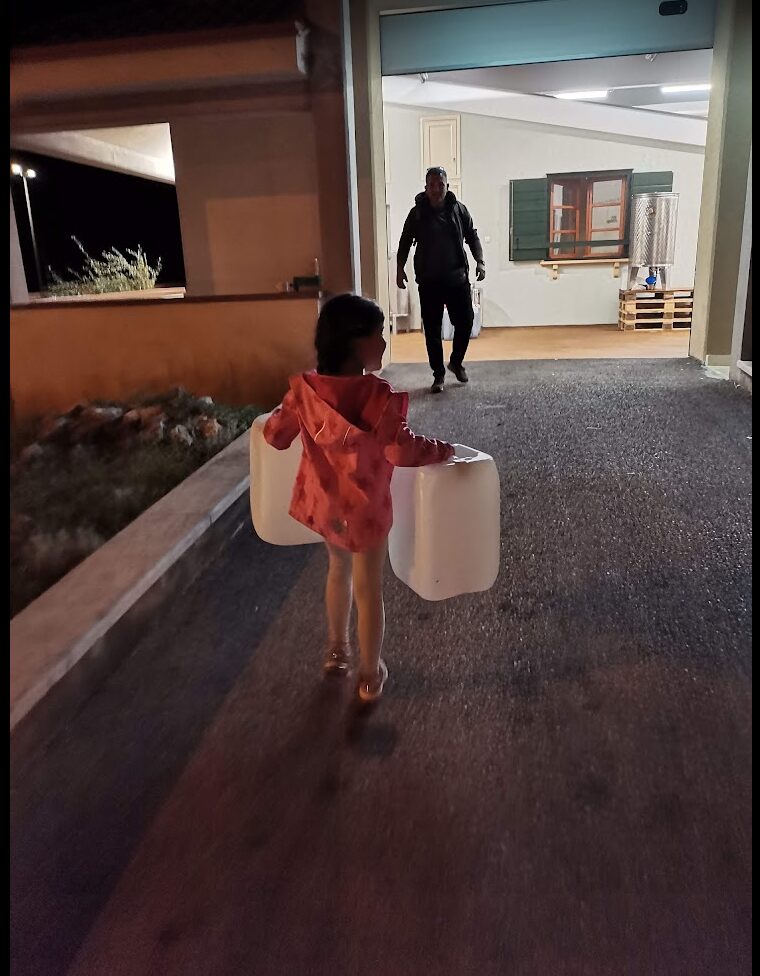
After processing, the oil is stored in hermetically sealed stainless steel barrels, in the cellar, at a temperature of 15–20 °C.

Our oil

We're not a big producer.
And we don't want to be.

We produce as much as our olives can give. Our quantities are limited, but we don't want to compromise on quality.

First of all, we want to have top-quality oil on our own table. Only what remains after our own needs do we offer to those who, like us, want to enjoy its authentic aroma and taste.

Our product

Ready for your table

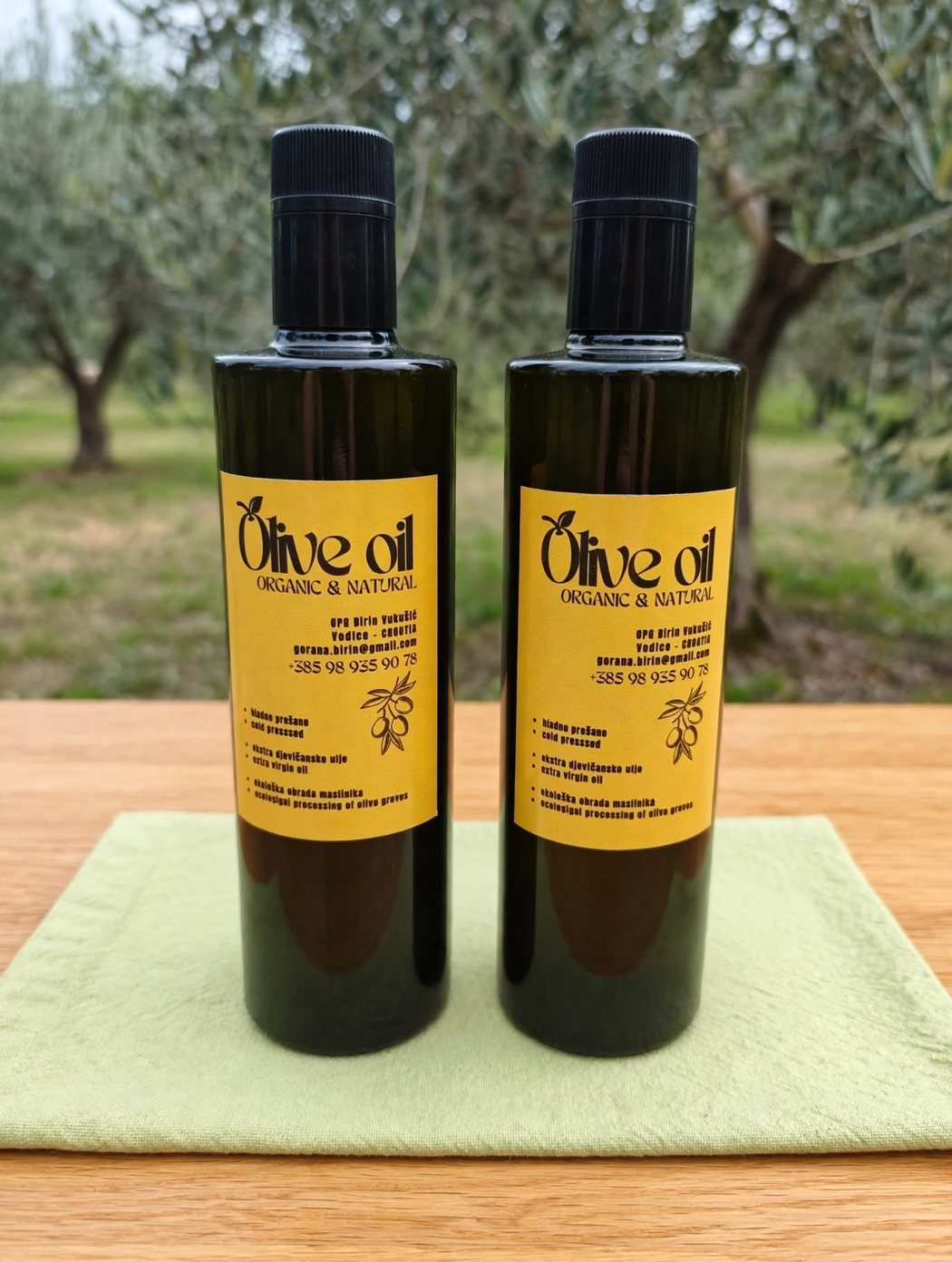
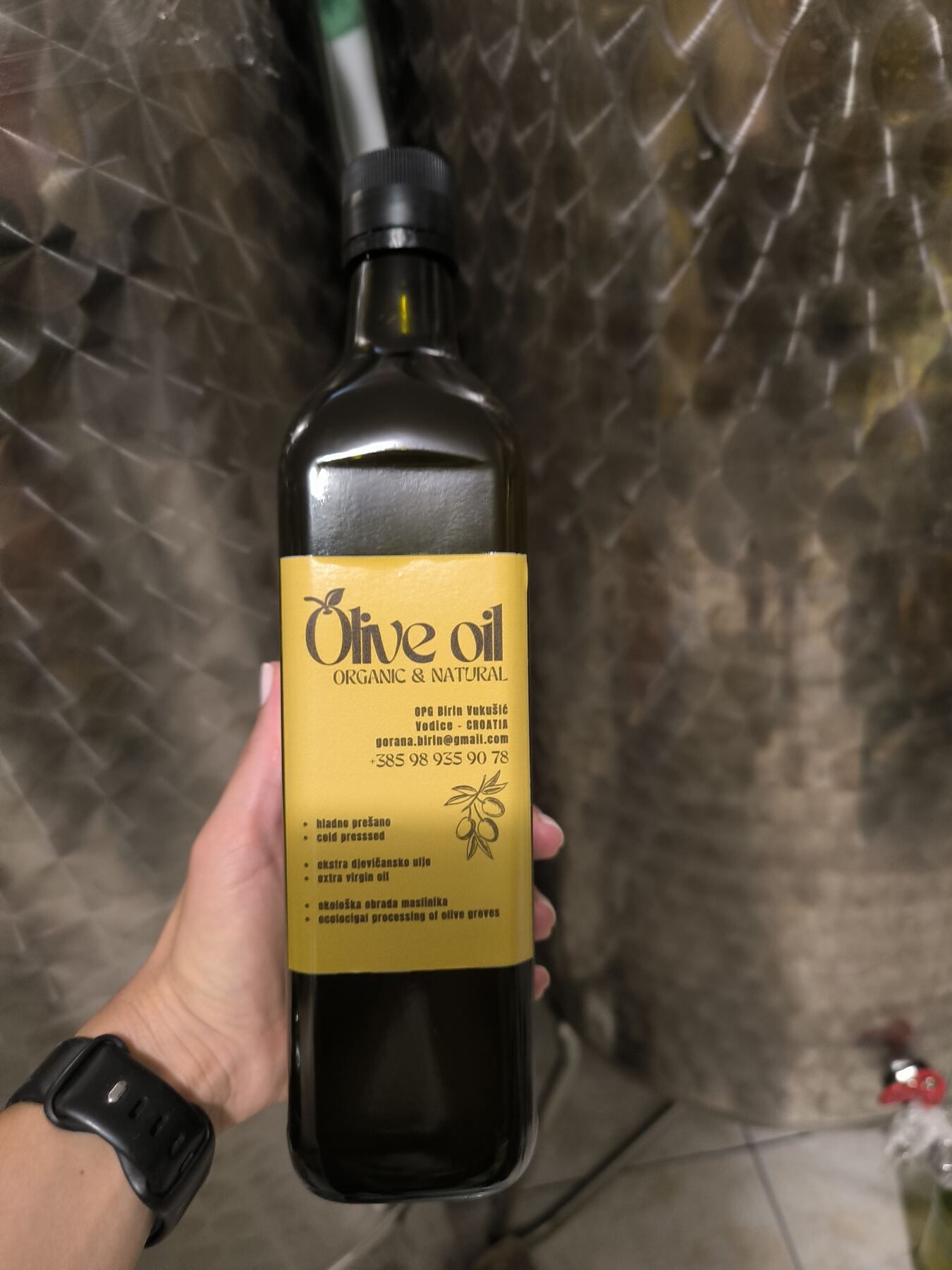
Two bottles of Extra Virgin Olive Oil in the olive grove Fresh Extra Virgin Olive Oil flowing into a glass jar at the mill Bottle of OPG Birin Vukušić Extra Virgin Olive Oil
Order

Want to take the taste of Dalmatia with you?

Ordering

You can order by phone or email.

We ship oil within Croatia by arrangement — the cost and method of delivery are agreed depending on the quantity and shipping method.

Personal pickup

The oil can be picked up in person at the Olivia Parking reception in Vodice during the summer season, while the parking is open. Outside the season, personal pickup is possible by arrangement.

It's also possible to arrange pickup in the Vodice area and surrounding counties when it can be organized.

Contact us and we'll arrange the best option.

Take a little of our
Dalmatia with you.

Contact us